FUNTOK Ride-On Trucks Recalled Due to Fire and Burn Hazards; Risk of Serious Injury or Death; Imported by Shenzhen Luobei Trading
⚠ Critical Alert — Stop Using Immediately
This product has been flagged with severe risks (serious injury or death). Stop using it now and contact the brand or CPSC for a refund, repair, or replacement.
CPSC Recall Notice
Source: U.S. Consumer Product Safety Commission (CPSC) — official agency notice for recall CPSC-10678.
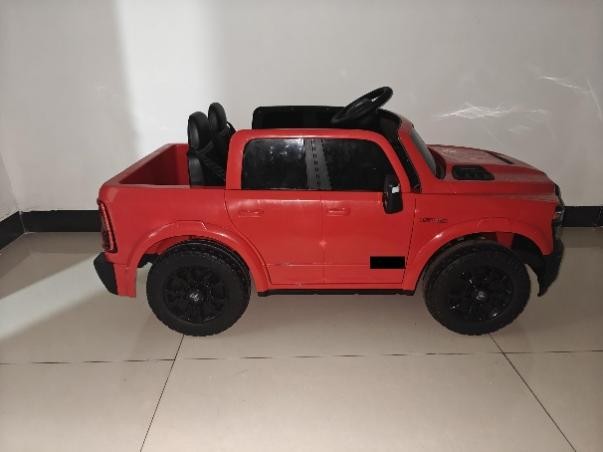
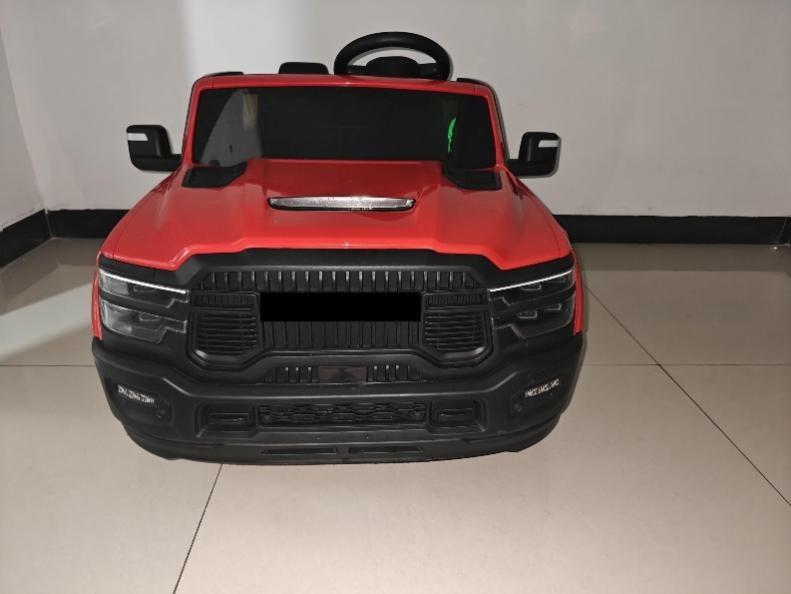
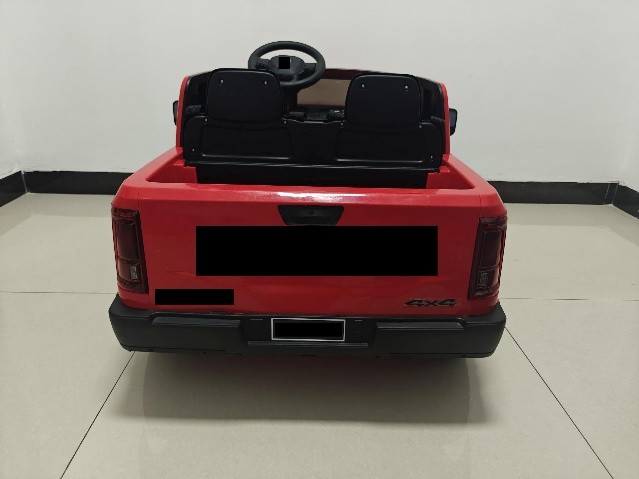
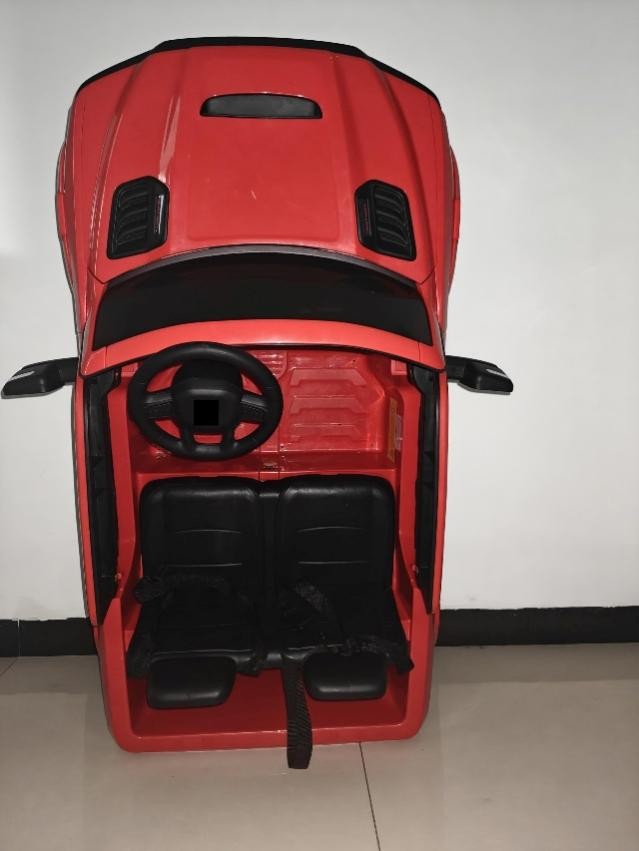
This recall involves FUNTOK 24V 2-Seater Ride-On Trucks, model number DLS-K03. The trucks were sold in red, black, white and pink. "4x4" is written in black on the tailgate and "TURBO DIESEL" is written in black on the side of the truck. The brand name "FUNTOK" and model number "DLS-K03" are printed on the User Manual cover and the exterior retail packaging.
Corrective Action (per CPSC)
Source: U.S. Consumer Product Safety Commission (CPSC) — official agency notice for recall CPSC-10678.
Consumers should stop using the recalled ride-on truck immediately, unplug the truck if it is charging, and contact Shenzhen Luobei Trading Co. for instructions to receive a full refund. To obtain a refund, consumers will need to disable the ride-on truck by cutting the wires to the battery and submitting a photo of the cut wires with "VOID," the consumer's name and the date written on the hood of the truck in permanent marker. Consumers should dispose of the disabled ride-on truck once they receive their refund. Directions on how to disassemble and disable the ride-on truck can be found on https://funtok.net/pages/voluntary-product-safety-recall. Note: Do not throw the truck battery in the trash, or in the general recycling stream (e.g., street-level or curbside recycling bins). Lead-acid batteries must be disposed of differently than other batteries. Your municipal household hazardous waste (HHW) collection center or battery recycling boxes found at various retail and home improvement stores may accept this lead-acid battery for disposal. Before taking your battery to a HHW collection center, contact that office ahead of time and ask whether it accepts lead-acid batteries. If it does not, contact your municipality for further guidance.
✅ What you should do
- Stop using the product if you own it.
- Check the model number, lot code, or sell-by date against the recall notice above.
- Contact Online At Amazon.com, Walmart.com, And Tiktok.com From October 2025 Through December 2025 For About $240. or the retailer where you bought it for a refund, replacement, or repair.
- For the most current official instructions, visit the CPSC recall page.
- If you've been hurt by this product, report the incident to CPSC.
Consumer Contact (per CPSC)
Source: U.S. Consumer Product Safety Commission (CPSC) — official agency notice for recall CPSC-10678.
Shenzhen Luobei Trading Co. toll-free at 800-249-9581 from 9 a.m. to 5 p.m. ET Monday through Friday, email at service@funtok.net or online at https://funtok.net/pages/voluntary-product-safety-recall or https://funtok.net/ and click on "Product Safety Recall" at the bottom of the page for more information.
About the U.S. Consumer Product Safety Commission
The CPSC protects consumers from injuries and deaths from thousands of types of consumer products — toys, furniture, electronics, appliances, and more.
Visit CPSC.gov →📣 Report an unsafe product to the CPSC
If you own this product and experienced a defect, near-miss, or injury, file a report with the CPSC. Consumer reports are the primary signal the agency uses to identify defect patterns and trigger future recalls. Your report is free, takes about 10 minutes, and can stay anonymous to the manufacturer.
Online At Amazon.com, Walmart.com, And Tiktok.com From October 2025 Through December 2025 For About $240. Recall FAQ
Online At Amazon.com, Walmart.com, And Tiktok.com From October 2025 Through December 2025 For About $240. is the subject of a consumer products recall: FUNTOK Ride-On Trucks Recalled Due to Fire and Burn Hazards; Risk of Serious Injury or Death; Imported by Shenzhen Luobei Trading. The notice was published on March 26, 2026 by the U.S. Consumer Product Safety Commission (CPSC). Approximately 1,980 units are potentially affected.